Bundesliga Mid-Season: Key Improvements Each Team Needs to Make
The Bundesliga season has reached its fascinating midpoint, delivering exhilarating football, unexpected twists, and a fiercely competitive title race. As teams return from the winter break, the focus shifts to the crucial second half. While some have exceeded expectations, others are battling to find their rhythm or maintain momentum. For every club, from the title contenders to those fighting relegation, strategic adjustments and a clear vision for **Bundesliga team improvement** are paramount. Success in the latter stages of the campaign often hinges on addressing underlying weaknesses and leveraging strengths more effectively.
Defensive Discipline and Tactical Nuances for Top Contenders
Even for the reigning champions, perfection remains an elusive goal.
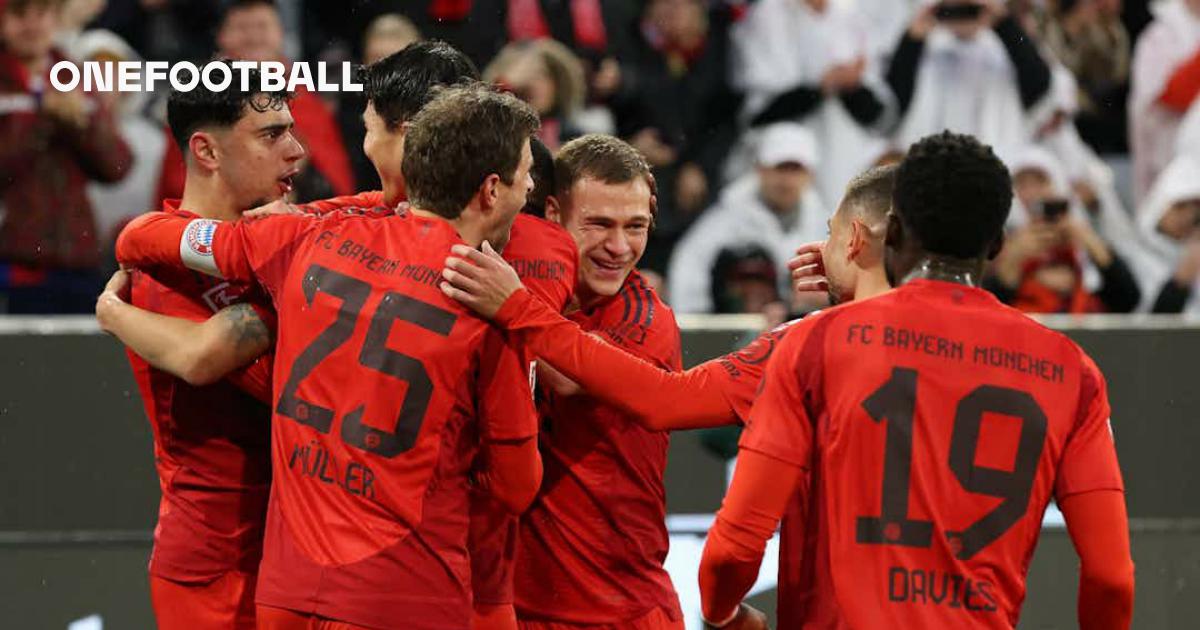
Bayern Munich, despite their impressive run, has exhibited a discernible vulnerability: their high defensive line. Under Vincent Kompany's tactical philosophy, the desire to press high and dominate possession often leaves centre-backs like Dayot Upamecano and Min-Jae Kim exposed to rapid counterattacks. Matches against Eintracht Frankfurt, Borussia Dortmund, and Mainz, among others, have highlighted moments where this aggressive setup has backfired. The lack of consistent pace at right-back further exacerbates this issue, making it harder to recover when opponents bypass the initial press.
For Bayern, the key to sustainable success lies in finding a better balance. While their attacking prowess is undeniable, defensive solidity is the bedrock of championship-winning teams. This isn't about abandoning the high line entirely, but rather refining its execution. Improvements could involve:
- Enhanced Communication: Better coordination between the defensive line and midfield to track runners and close passing lanes.
- Tactical Flexibility: The ability to drop deeper or adjust the line based on the opponent's attacking threat and player profiles.
- Right-Back Solutions: Either tactical instructions that provide more defensive cover for the existing right-back or potentially exploring personnel changes to bring in more recovery pace.
- Midfield Screen: A more disciplined midfield presence to protect the defence and prevent direct through balls.
Failure to address this could prove to be the biggest obstacle in their pursuit of another Bundesliga title. For an in-depth look at these specific tactical dilemmas facing the league leaders and their closest rivals, explore
Bayern's High Line, Leverkusen's Attack: Bundesliga Team Challenges.
Bolstering Attacking Depth and Consistency
While Bayern grapples with defensive nuances, other top sides are looking to sharpen their attacking edge.
Bayer Leverkusen has enjoyed an exceptional season, exceeding all expectations. Yet, beneath the surface of their five successive league wins to end 2023, a potential concern lingers: a reliance on a few key individuals for goals. Victor Boniface's early season heroics and Patrik Schick's resurgence have been vital, complemented by Florian Wirtz's creative brilliance. However, the overall goal output from other attacking players, such as Martin Terrier (two goals in 558 minutes), Amine Adli, and Jonas Hofmann (both affected by injuries), has been less consistent. Even Jeremie Frimpong and Alex Grimaldo, despite their overall impact, haven't quite replicated their scoring tallies from the previous season.
Xabi Alonso's task is clear: to diversify Leverkusen's offensive threats. This doesn't mean changing a winning formula, but rather ensuring that if one or two key players have an off day, or suffer an injury, the team still possesses multiple avenues to goal. Strategies for this **Bundesliga team improvement** include:
- Empowering Wide Players: Encouraging wingers and attacking midfielders to take more shots and make decisive runs into the box.
- Set-Piece Specialization: Improving their effectiveness from corners and free-kicks, creating more goal-scoring opportunities.
- Squad Rotation and Trust: Giving deeper squad members more opportunities to build confidence and contribute offensively.
- Varied Attacking Patterns: Introducing new attacking drills to ensure unpredictability and less reliance on individual brilliance.
Similarly,
RB Leipzig needs to find a way to consistently unlock their prolific strikers, Loïs Openda and Benjamin Sesko. While both have respectable goal tallies, their service has often been inconsistent, particularly evident in their encounter with Bayern Munich before the winter break. On their day, they form one of the league's most formidable strike partnerships, but these "days" have been too few and far between. The impending return of Xavi Simons is expected to provide a much-needed creative spark, linking midfield and attack more effectively. However, the team must also focus on:
- Improved Crossing Quality: Delivering more accurate and dangerous balls into the box from wide areas.
- Midfield Penetration: Encouraging central midfielders to make more incisive passes and runs into advanced positions.
- Quicker Transitions: Turning defensive solidity into rapid, effective counterattacks that feed the strikers.
- Consistent Pressing: Winning the ball higher up the pitch to create closer-range scoring opportunities.
Strategic Squad Management and Reliance Mitigation
For some teams, the challenge lies not just in tactical tweaks, but in managing player reliance and squad depth, which are crucial aspects of **Bundesliga team improvement**.
Eintracht Frankfurt has enjoyed a strong start, largely thanks to the phenomenal form of Omar Marmoush, who has contributed 57% of their 35 goals this season. However, as Marmoush's output began to tail off towards the end of the year, so did Frankfurt's results, marked by a winless streak. The potential for Manchester City to pursue the Egyptian further underscores the urgent need for other players to step up.
Frankfurt's strategy must revolve around mitigating this over-reliance. While a talisman is valuable, a team cannot afford to be a one-man show. Key areas for improvement include:
- Distributing Goal Responsibility: Encouraging midfielders and other forwards to share the scoring burden.
- Tactical Flexibility: Developing alternative attacking formations or strategies that don't solely channel through Marmoush.
- Midfield Runners: Activating central players to make more forward runs and provide support in the box.
- Set-Piece Threat: Maximizing opportunities from corners and free-kicks, developing routines that involve multiple players.
The reliance on a single prolific talent is a double-edged sword, and for more insights into this phenomenon and its impact, readers can delve into
Omar Marmoush's Influence: Player Contribution & Bundesliga Team Fortunes.
Finally,
Mainz 05 presents a unique case. In a vacuum, their performance has been admirable – strong defensively and offensively, placing them fifth in the league. Their primary area for **Bundesliga team improvement** revolves around squad depth, specifically finding a reliable backup for their talismanic striker, Jonathan Burkardt. Burkardt's fitness can be a concern, and with the winter departure of Karim Onisiwo, Mainz's attacking options become thinner. Ensuring a robust plan for when Burkardt is unavailable, whether through injury or rotation, is vital to maintaining their unexpected league position. This could involve:
- Smart Recruitment: Identifying a versatile striker who can provide cover and competition.
- Youth Integration: Giving opportunities to promising academy talents.
- Tactical Adjustments: Preparing alternative formations that don't rely on a traditional target man if a like-for-like replacement isn't available.
- Cross-Training: Developing existing players to be able to fill in as emergency strikers.
The Broader Picture: Sustaining Performance in the Second Half
Beyond individual team adjustments, the overarching theme for the second half of the Bundesliga season will be **consistency and resilience**. The intense schedule, coupled with the psychological pressure of results, will test every squad. Factors like fitness management, effective squad rotation, and maintaining player morale will be crucial for sustained **Bundesliga team improvement**. Teams that can adapt quickly to changing circumstances, maintain focus, and minimize preventable errors will be the ones that ultimately achieve their seasonal objectives.
The Bundesliga remains a fiercely competitive league, where performance on and off the field dictates not just league standing but also team values and future prospects in the multi-billion-euro football industry. The insights gained from analyzing team performance, coupled with shrewd strategic decisions, will be instrumental in navigating the complexities of the football landscape.
The second half of the Bundesliga promises even more drama and excitement. Teams that meticulously analyze their mid-season performance, implement smart tactical adjustments, invest in squad depth, and foster a culture of collective responsibility for **Bundesliga team improvement** will be best positioned for success. The race is far from over, and every point, every goal, and every strategic decision will count towards shaping the final standings.